
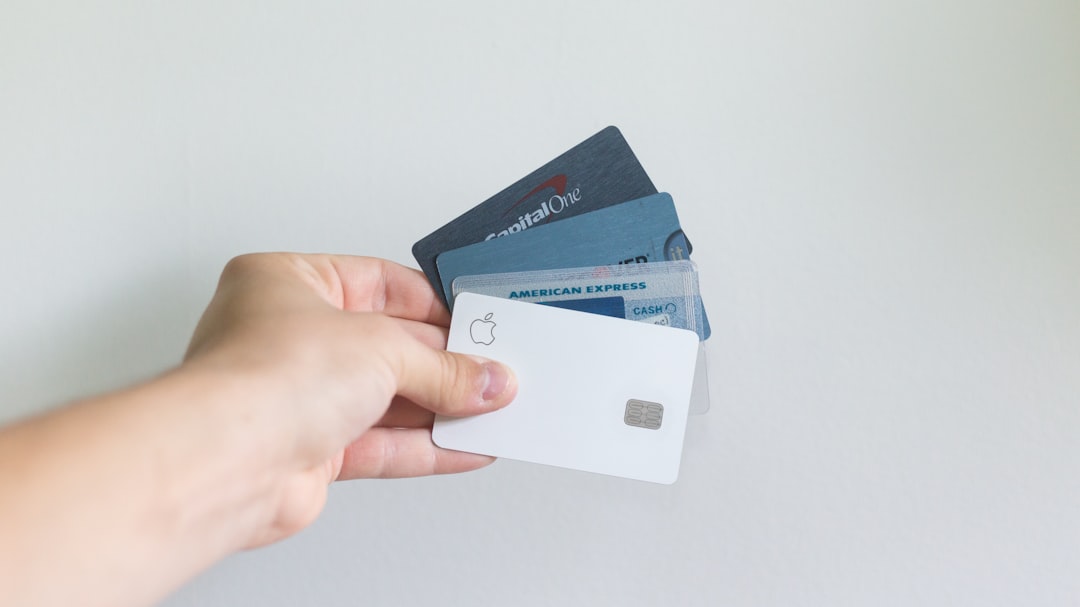
Foreign transaction fees</ are charges incurred when you use your credit card for purchases in a foreign currency. These fees typically range from 1% to 3% of the transaction amount and can significantly add to your overall travel expenses. In 2026, many credit cards now target savvy travelers by exempting these fees, providing a substantial advantage when you’re exploring new countries.
Why Do Foreign Transaction Fees Exist?
Foreign transaction fees help credit card issuers cover the costs associated with currency conversion and international transaction processing. These fees serve as a revenue stream for card issuers, which can be particularly lucrative given the rise in global travel.
How Are Foreign Transaction Fees Calculated?
The fee is generally calculated as a percentage of the transaction amount. For instance, if you make a purchase of 100 USD abroad with a card that charges a 3% fee, you will incur an additional 3 USD charge. It’s important to note that the actual amount charged may vary depending on the exchange rate used by the payment network (e.g., Visa or Mastercard).
Current Trends in Foreign Transaction Fees (2026)
- In 2026, many banks and financial institutions are waiving foreign transaction fees entirely for their premium credit cards to attract a more global customer base.
- There has been a significant increase in the use of digital wallets to minimize these fees, as they often function without additional charges during international transactions.
- Consumer awareness is on the rise, leading to more informed decisions before selecting credit cards for travel.
Choosing the Right Credit Card for Foreign Transactions
Selecting the right credit card can make a considerable difference in your travel budget. Here are some tips to consider:
- Look for credit cards that specifically mention no foreign transaction fees.
- Evaluate rewards programs associated with each card, particularly those beneficial for foreign travel.
- Consider the annual fee in the context of the benefits you receive, including rewards and fee waivers.
- Check if the card provides additional travel benefits such as insurance or travel concierge services.
Advantages and Disadvantages of Foreign Transaction Fees
Advantages
- Foreign transaction fees can provide card issuers with funds for services like fraud protection.
- Purchasing in local currency might be more straightforward for shoppers.
Disadvantages
- These fees can accumulate quickly, impacting your overall travel costs.
- Many travelers are opting for credit cards with no foreign transaction fees, reducing overall expense.
Best Practices to Avoid Foreign Transaction Fees
Here are some effective strategies to help you avoid these unwanted fees:
- Use a travel credit card that doesn’t charge foreign transaction fees.
- Opt for local currency payments when possible, as this can help you bypass fees marked up by dynamic currency conversion.
- Consider utilizing digital wallets to ensure better rates and fewer fees for international transactions.
- Stay aware of any additional fees your bank may charge on top of transaction fees.
The Importance of Currency Conversion Rates
When traveling, understanding currency conversion rates is crucial. Many credit cards apply the exchange rate set by the credit card network, which includes a markup. For savvy travelers, maintaining awareness of current rates can optimize their spending abroad. Some travelers may even consider using a dedicated currency card.
Utilizing Tools for Smarter Financial Decisions
For improved management of travel finances, tools like an interest calculator can help you make smarter credit card decisions, calculating potential costs including transaction fees and interest.
Conclusion
Navigating foreign transaction fees is essential for today’s savvy traveler. As options continue to evolve in 2026, choosing the right credit card and being aware of your spending can lead to significant savings. By following these guidelines, you can ensure that your travel finances remain manageable and optimized for your adventures.